
In a shocking incident that has sparked outrage and debate, a woman was shot in the face by police during a confrontation that escalated unexpectedly. This tragic event highlights the ongoing tensions between law enforcement and communities, raising questions about the use of force and the protocols in place during high-stress situations.
As details emerge, the incident serves as a grim reminder of the complexities surrounding police interactions and the often devastating consequences they can have. Understanding the factors that led to this confrontation is crucial for fostering dialogue about accountability and reform in policing practices.
Overview of the Incident
The incident involved a woman being shot in the face by police during a confrontation that escalated rapidly. Reports indicate that the encounter began as a routine traffic stop in a suburban area. Witnesses described the scene as chaotic, with multiple officers on-site.
Authorities responded to the situation after receiving calls about erratic behavior from the woman. Initially, officers attempted to de-escalate the confrontation verbally. However, as tensions mounted, officers perceived a threat and deployed a firearm. The woman’s injuries were critical, requiring immediate medical attention and emergency transport to a local hospital.
Following the shooting, law enforcement officials launched an investigation into the circumstances surrounding the incident. Community members expressed outrage, demanding transparency and accountability. This event highlights significant concerns regarding police tactics and raises important discussions about the parameters of acceptable use of force in high-pressure situations. As investigations continue, the outcome may influence local policing policies and community relations.
Background Information
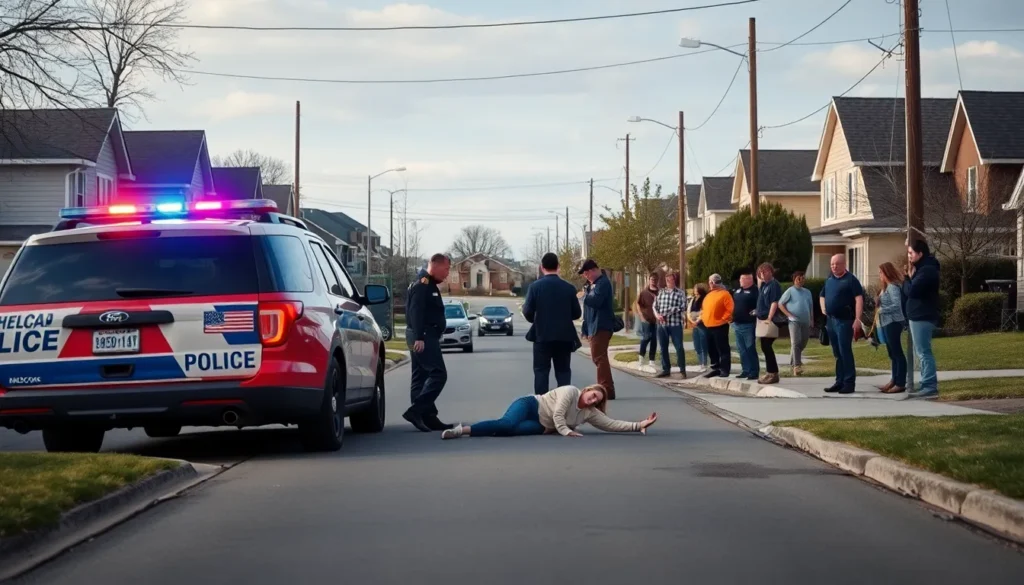
The incident involving the woman shot in the face by police has stirred significant public concern and discourse regarding police conduct and community safety.
Context of the Shooting
The shooting occurred during a routine traffic stop in a suburban area. Police intervened following multiple reports of erratic driving by the woman. Witness accounts depicted the scene as chaotic, with officers attempting to calm the situation verbally. As the situation escalated, police perceived an imminent threat, leading to the deployment of a firearm. The rapid escalation of events raises critical questions about decision-making processes in high-stress scenarios among law enforcement.
Details of the Victim
The victim, a woman in her late twenties, sustained life-threatening injuries necessitating immediate medical care. Accounts indicate she was unarmed at the time of the shooting, further amplifying discussions on the appropriateness of the actions taken by the officers involved. Community members and advocates have since rallied for more information regarding her condition and the circumstances surrounding the incident, highlighting the personal impact of police encounters.
Legal Response
The legal response to the incident involves thorough investigations and potential ramifications for the involved officers. Authorities consider various factors, including police actions, community relations, and legal frameworks.
Police Actions and Justifications
Police actions during the incident will undergo extensive scrutiny. Officers claimed they perceived an immediate threat, justifying their decision to use lethal force. Video footage, eyewitness accounts, and police protocols play critical roles in determining whether actions align with established guidelines. Investigators assess de-escalation attempts and whether less lethal options were appropriate. Legal experts and advocates question the adequacy of training officers receive in handling high-stress situations, emphasizing the need for transparency in the review process.
Legal Consequences for the Officers Involved
Legal consequences for the officers involved depend on the findings of the investigation. Possible outcomes include internal disciplinary measures, civil lawsuits from the victim or her family, or criminal charges if misconduct is established. Legal precedents regarding police use of force will influence any court proceedings. Past cases indicate that outcomes vary significantly based on jurisdiction and community pressure. Additional scrutiny may prompt reforms in policies and accountability measures, impacting future police conduct.
Community Reaction
Community reactions to the shooting have been intense and multifaceted, reflecting deep-seated concerns about police conduct and accountability.
Public Protests and Support
Public protests erupted in the days following the incident, with demonstrators gathering outside police stations and city halls. Protestors demanded justice for the woman, calling for transparency in the investigation and reforms in policing practices. Community leaders and advocacy groups organized rallies that drew hundreds of attendees, expressing solidarity with the victim’s family. Participants voiced frustrations over perceived systemic injustices and highlighted the need for policy changes to prevent future occurrences of excessive force. Support for the victim has also flowed through social media campaigns, where community members rallied around the hashtag promoting awareness of this incident.
Media Coverage
Media coverage surrounding the shooting has been extensive, characterized by a mix of local and national news outlets focusing on the event’s implications. Coverage includes eyewitness accounts, police statements, and analysis of similar incidents across the country. Investigative reports have scrutinized police protocols and the broader implications for community-police relations. Commentators have reflected on the ongoing discussions regarding the militarization of police forces and the impact of transformative movements advocating for justice reform. This heightened attention amplifies community concerns, keeping the dialogue alive as updates on the victim’s condition and the investigation unfold.
Broader Implications
The incident involving the woman shot in the face by police highlights significant broader implications for policing and community dynamics. It raises urgent discussions about necessary reforms, particularly concerning accountability and the intersectionality of race and gender in law enforcement encounters.
Impact on Police Reform
The shooting sparks renewed calls for comprehensive police reform initiatives. Advocates emphasize the necessity for clearer use-of-force protocols, emphasizing de-escalation techniques as primary responses. Studies indicate that communities with robust training on non-lethal methods experience fewer violent confrontations and increased trust between law enforcement and citizens.
Legislative bodies in several jurisdictions are evaluating policies that regulate police conduct. These discussions include revising guidelines for when officers can deploy firearms and improving accountability measures for misconduct. Legislative measures might encompass mandatory reporting of all use-of-force incidents, enhanced training on mental health issues, and broader community engagement in public safety discussions.
By examining past incidents and their consequences, stakeholders can identify patterns, informing more effective administrative policies to reduce violence and foster community trust.
Conversations Around Race and Gender
The incident reignites critical conversations surrounding race and gender within policing contexts. Data reveals that women, particularly women of color, often face heightened risks during police encounters. Social justice organizations advocate for training that specifically addresses gender sensitivities and the unique challenges women encounter with law enforcement.
The narrative surrounding the woman’s shooting showcases societal biases that can influence police responses. Engagement with community leaders and advocates may facilitate more targeted reforms that address these disparities and promote equitable treatment across diverse populations. Media analysis of the incident contributes to the ongoing dialogue, amplifying voices advocating for systemic change.
As communities reflect on these discussions, they emphasize the importance of inclusive views in policy formulation. Recognizing the intersections of race and gender in policing practices can lead to more effective solutions aimed at reducing violence and enhancing safety for all individuals.
The shooting of the woman during a routine traffic stop has sparked an urgent dialogue about police practices and community safety. As investigations unfold it’s clear that this incident is more than just a singular event; it reflects broader systemic issues within law enforcement. The community’s outcry for transparency and accountability highlights a growing demand for reform in policing.
The implications of this incident extend beyond the immediate circumstances, prompting discussions about the intersection of race and gender in police encounters. Advocates are pushing for policies that prioritize de-escalation and appropriate use of force. As communities continue to rally for justice the hope remains that meaningful changes will emerge to foster safer interactions between law enforcement and the public.