In a world where shopping used to mean battling crowds and deciphering cryptic price tags, technology has swooped in like a superhero, transforming the experience into something almost magical. From smart carts that know your shopping list to apps that predict your cravings, the latest updates in shopping technology are making life easier and way more fun.
Overview of Shopping Technology Updates
Shopping technology updates transform the retail landscape significantly. Modern innovations like smart shopping carts enhance the in-store experience. These carts now come equipped with sensors and screens, streamlining the shopping process by guiding customers to their desired products.
Mobile apps also play a crucial role in updating shopping experiences. These applications incorporate features such as price comparisons and personalized recommendations. With advanced algorithms, they predict consumer preferences, allowing more tailored suggestions and enhancing customer engagement.
Artificial intelligence (AI) continues to shape shopping technology. Retailers utilize AI for inventory management and customer service, improving efficiency and responsiveness. Chatbots provide instant assistance, addressing inquiries and concerns without human intervention.
Contactless payment methods surge in popularity. Digital wallets and mobile payment systems enable quick, secure transactions, reducing checkout time. This technology caters to health and safety preferences while maintaining a seamless user experience.
Augmented reality (AR) presents another exciting update. AR applications allow customers to visualize products in their environment before making a purchase. This feature increases confidence in buying decisions and reduces product returns.
Data analytics also undergoes significant enhancements, aiding retailers in understanding consumer behavior. By analyzing purchasing trends and patterns, stores refine product offerings and marketing strategies. Tailoring inventory based on real-time data improves overall sales performance.
Incorporating these updates fosters a more enjoyable and efficient shopping environment. Retailers who embrace these technologies position themselves as leaders in customer satisfaction and operational excellence.
Key Innovations in Shopping Technology
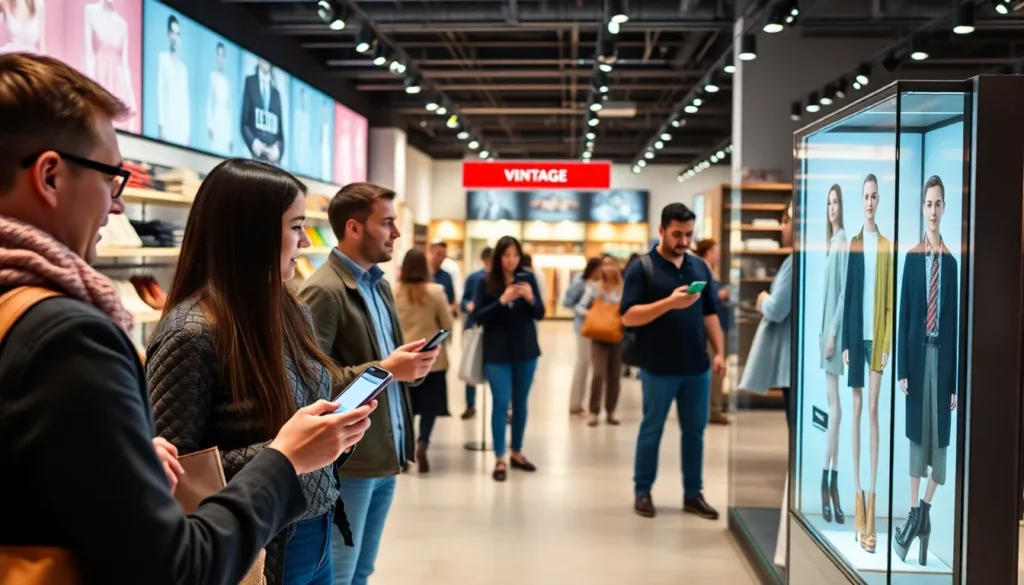
Innovations in shopping technology are reshaping the retail experience. From mobile shopping to augmented reality, advancements are making it easier and more enjoyable for consumers.
Mobile Shopping Advancements
Mobile shopping continues to gain traction with advancements in user-friendly apps. These apps enable users to browse products and compare prices instantly. Personalized recommendations enhance the shopping experience based on user preferences. Fast checkout features decrease the time spent on transactions, encouraging repeat purchases. Research indicates that 79% of consumers prefer using mobile devices for shopping, emphasizing the significance of optimizing interfaces for smartphones. Retailers investing in mobile technology capture a larger market share and improve customer interactions.
Augmented Reality Integration
Augmented reality enhances the shopping journey by allowing customers to visualize products in their environment. Shoppers can try on clothes virtually or see how furniture fits in their homes. This innovative approach increases confidence in purchasing decisions and decreases return rates. According to recent studies, 70% of consumers feel more motivated to buy after experiencing AR. Retailers utilizing AR create engaging experiences that differentiate their brands. Companies leveraging this technology gain an edge by appealing to tech-savvy customers who seek interactive shopping options.
Impact of E-Commerce Platforms
E-commerce platforms significantly shape the modern shopping landscape, enhancing convenience for consumers and efficiency for retailers.
Enhancements in User Experience
E-commerce technology optimizes user experience through intuitive designs and seamless navigation. Sophisticated algorithms tailor product recommendations based on individual preferences, making shopping more personalized. Smart shopping carts track items and guide users effortlessly through stores, while fast checkout systems reduce friction, leading to higher conversion rates. Twenty-six percent of consumers cite convenience as the top reason for choosing online shopping, illustrating its priority. In addition to convenience, AI chatbots provide immediate assistance, improving customer service by addressing inquiries in real-time. Retailers benefit from increased customer satisfaction and loyalty as they leverage these technological advancements.
Rise of Social Commerce
Social commerce transforms how consumers discover and purchase products online. Platforms like Instagram and Facebook enable direct shopping experiences within apps, catering to the growing demand for integrated solutions. In 2023, 48% of consumers reported using social media for shopping inspiration, highlighting its influence on purchasing decisions. Brands engage potential customers through targeted ads and shoppable posts, streamlining the buyer’s journey. User-generated content, including reviews and testimonials, further drives trust and encourages purchases. Retailers embracing social commerce position themselves to capture the attention of tech-savvy, younger audiences, fostering brand loyalty and increasing sales.
The Role of Artificial Intelligence in Shopping
Artificial intelligence transforms the shopping landscape by creating tailored experiences for consumers.
Personalized Shopping Experiences
Personalized shopping utilizes AI to analyze consumer behavior. It enhances product recommendations based on past purchases and browsing patterns. Retailers employ AI-driven algorithms to predict customer preferences effectively. Customers receive curated lists and targeted promotions that align with their interests. Studies indicate that 79% of shoppers prefer personalized experiences, prompting retailers to focus on AI technologies. Improved customer experience leads to higher engagement, increased sales, and loyalty. Companies leveraging personalization can expect growth in conversion rates as they cater to individual needs.
Chatbots and Customer Service
Chatbots revolutionize customer service using AI technology. They provide instant assistance, answering queries and guiding customers through the shopping process. Researchers found that 69% of consumers appreciate the immediacy offered by chatbots. Retailers deploy these tools to enhance the efficiency of their customer support. Chatbots efficiently handle multiple inquiries simultaneously, reducing wait times for shoppers. Engaging with customers through chatbots cultivates positive interactions and boosts satisfaction. Many businesses acknowledge that improved customer service correlates with increased loyalty and repeat purchases.
Future Trends in Shopping Technology
Emerging technologies promise to reshape the shopping landscape significantly. Augmented reality (AR) continues to gain traction, allowing consumers to visualize products in their own environments. Products like clothing and furniture appear more appealing when customers can see them in context, with 70% of consumers motivated to purchase after experiencing AR.
AI-driven personalized experiences become a focal point for retailers. Algorithms analyze past purchases and browsing behaviors, generating tailored recommendations that resonate with individual interests. Shoppers increasingly prefer personalized experiences, with studies highlighting that 79% enjoy customized suggestions.
Mobile shopping gains dominance as user-friendly applications enhance convenience. Instant access to product comparisons and reviews simplifies purchasing decisions. Fast checkout functionalities further encourage repeat purchases, with 79% of consumers favoring mobile devices for shopping.
E-commerce platforms optimize their designs for seamless navigation. Sophisticated algorithms enhance the user experience, presenting recommendations based on unique preferences. Social commerce emerges as a critical player, with 48% of consumers turning to social media for shopping inspiration in 2023.
Additionally, chatbots are revolutionizing customer service, providing immediate support. Real-time assistance reduces wait times and boosts satisfaction, evidenced by 69% of consumers appreciating quick responses. Retailers leveraging chatbots improve interaction quality, leading to enhanced customer loyalty.
Contactless payment methods remain essential, fostering secure transactions aligned with health and safety considerations. Digital wallets and various payment apps enhance convenience, allowing shoppers to invest time in exploring rather than worrying about checkouts. Enhanced data analytics enable retailers to refine product offerings based on insights into consumer behavior, creating a more enjoyable shopping environment.
The evolution of shopping technology is reshaping how consumers interact with retailers. With innovations like smart shopping carts and AI-driven apps, the shopping experience has never been more personalized and efficient. Retailers who adopt these technologies not only enhance customer satisfaction but also position themselves for future growth in a competitive market.
As mobile shopping and social commerce continue to rise, staying ahead of trends will be crucial. Embracing advancements in AR and data analytics allows retailers to cater to the modern consumer’s preferences while ensuring a seamless shopping journey. The future of retail is bright for those willing to innovate and adapt.